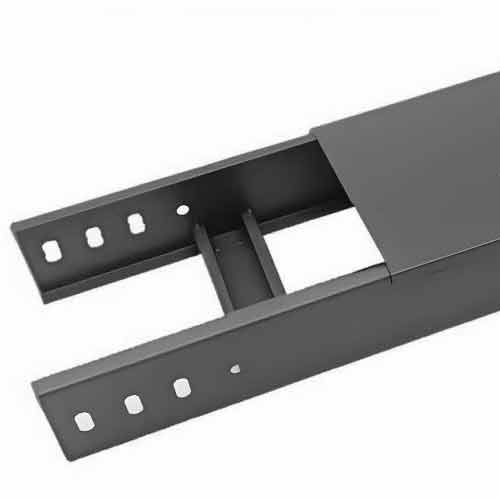
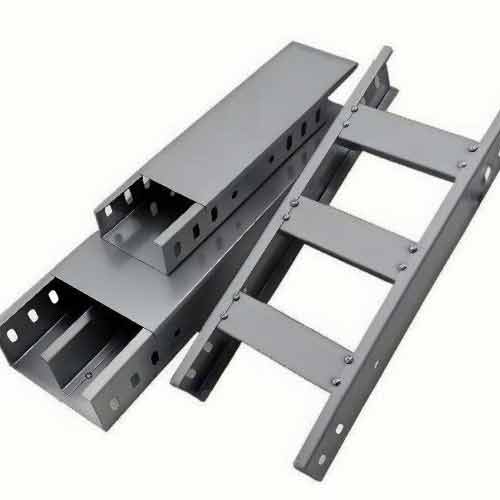
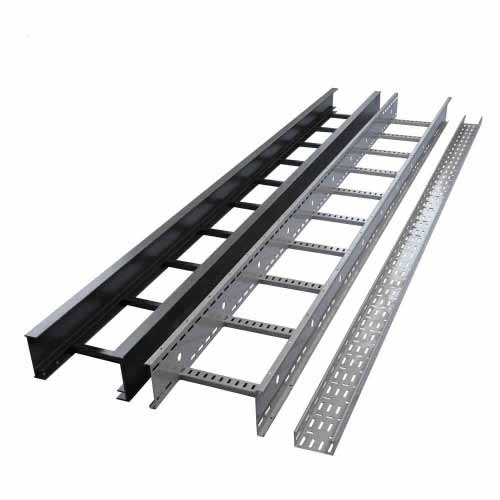
Product details description
Cable ladders are essential components in electrical installations,
providing a structured and safe way to support heavy cables. While they come in
standard lengths, on-site conditions often require field modifications to
navigate obstacles or fit specific dimensions. Cutting and fabricating cable
ladders in the field is a common task for electricians, but it must be done
carefully to maintain the structural integrity and load-bearing capacity of the
system. Understanding the proper techniques for cutting, joining, and finishing
is crucial for a professional and safe installation.
When cutting cable ladders to size, the choice of tool is vital for a clean
cut without damaging the side rails. Abrasive chop saws or angle grinders are
commonly used, but they can leave burrs or hot spots that weaken the metal. A
cold-cutting metal saw is preferred as it reduces heat and prevents the zinc
coating from burning off at the cut site. Cutting should be performed in a
well-ventilated area, and workers must wear appropriate personal protective
equipment (PPE) to guard against metal shavings and sparks. The goal is to
achieve a square cut that ensures a snug fit against walls or other structural
supports.
Once the ladder is cut, the sharp edges must be dressed to prevent damage
to the cable insulation during installation. Using a file or a deburring tool to
remove metal shards is standard practice. Failure to deburr can result in the
sharp metal sheathing the cables as they are pulled through the ladder, creating
a safety hazard. Additionally, any exposed steel at the cut end must be treated
with a cold galvanizing compound or touch-up paint to restore corrosion
resistance. This step is essential, especially in humid or corrosive
environments, to prevent rust from compromising the ladder's durability.
Fabrication also involves joining sections together or creating bends to
navigate turns. Manufacturers provide specific splice plates or fishplates
designed to join two ladder sections securely. These plates must be bolted using
the correct hardware and torque specifications to maintain the ladder's
strength. If a bend is required, factory-bent sections are ideal, but in the
field, bending must be done carefully to avoid collapsing the rungs. Using a
proper bending jig ensures that the structural profile of the ladder is
preserved without deforming the side rails.
In conclusion, cable ladder cutting and fabrication require a balance of
mechanical skill and adherence to safety standards. By using the right tools to
minimize heat damage and deburring edges, electricians can ensure safe cable
management. Treating cut ends with protective coatings and using approved
joining hardware maintains the ladder's structural integrity and load rating.
Effective field modifications allow for a custom fit that meets the specific
needs of the installation, resulting in a clean and reliable cable support
system.
Previous article:
Cable Ladder Load Capacity Testing: Structural Engineering and Safety Factor Calculations
Next article:
Cable Ladder Height Adjustments: Vertical Routing and Multi-Level Installation Planning