Organizing Infrastructure with Cable Basket Systems
Release time:2026-03-12 Click:2
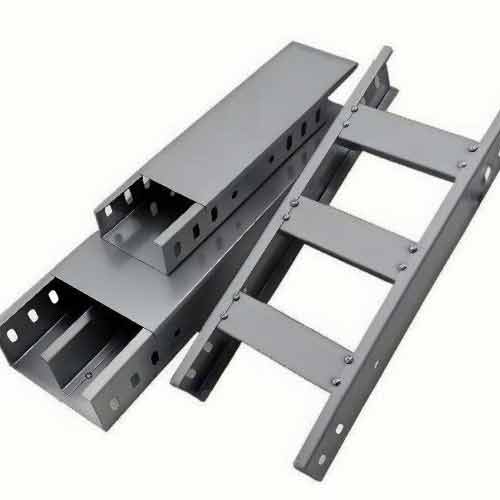
Cable basket has emerged as a premier solution for managing the complex web of electrical, data, and telecommunications cabling that modern buildings require to function effectively. These open-wire mesh tray systems provide versatile pathways for routing cables throughout facilities while maintaining accessibility for moves, additions, and changes that characterize modern organizational operations. The basket design offers significant advantages over enclosed conduit systems, particularly in high-density installations where heat dissipation and cable accessibility are paramount concerns. From commercial office buildings to industrial plants and data centers, cable basket systems provide the infrastructure foundation that enables building systems to operate reliably and efficiently. The evolution of cable basket design has kept pace with increasing cable densities and the growing complexity of building technology systems, making them indispensable components of modern building infrastructure.
The construction of quality cable basket systems utilizes wire forming and welding techniques that create strong, dimensionally stable trays capable of supporting substantial cable loads. Wire diameter and mesh spacing are engineered to balance strength requirements with the need to accommodate various cable sizes and provide adequate support without excessive weight. Standard cable basket widths range from relatively narrow dimensions for light-duty applications to wide trays capable of supporting hundreds of cables in data center environments. The wire mesh construction provides continuous support along the entire cable length, preventing the concentrated point loads that can damage cable insulation over time. Surface treatments including zinc plating, powder coating, or stainless steel construction provide corrosion resistance appropriate for the installation environment, from benign office spaces to harsh industrial facilities. Integrated fittings and accessories enable turns, transitions, and connections that maintain the cable basket system's structural integrity and cable containment function throughout the installation.
The benefits of implementing cable basket systems extend to installation efficiency, operational flexibility, and long-term cost management that make them compelling choices for modern cabling infrastructure. Installation time is significantly reduced compared to conduit systems because cables can be laid directly into the open basket without requiring individual pulls through enclosed pathways. Future modifications become straightforward because the open design allows new cables to be added or existing cables to be rerouted without dismantling the entire pathway system. Cable heat dissipation is dramatically improved compared to conduit, reducing the thermal stress on cables that can accelerate insulation degradation and limit current-carrying capacity. The visibility provided by the open design also simplifies troubleshooting and maintenance activities, as technicians can quickly identify cable routes and access individual cables without destructive investigation. Initial material costs for cable basket systems are typically lower than equivalent conduit installations, with additional savings realized through reduced labor requirements and improved installation quality.
Installation of cable basket systems requires careful planning and proper execution techniques to ensure optimal performance throughout the facility's operational life. Support spacing must be determined based on basket width, expected cable loading, and applicable code requirements, with typical support intervals ranging from six to ten feet for standard installations. Cable basket must be cut using appropriate tools that create clean, burr-free edges that won't damage cable insulation during installation or future maintenance activities. Proper field bending techniques maintain the wire mesh integrity while creating smooth turns that don't subject cables to excessive bending stress. Cable installation within the basket should distribute loads evenly, using cable management accessories to separate different cable types and prevent the interference that can compromise signal integrity in sensitive data applications. Bonding and grounding requirements must be addressed according to applicable electrical codes to ensure electrical continuity and safety throughout the cable basket installation.
Organizations building or upgrading their facilities should give cable basket systems serious consideration as the foundation for their cabling infrastructure. The documented advantages in installation efficiency, operational flexibility, and total cost of ownership have made cable basket the preferred choice for modern installations across virtually every building type. Working with cable basket manufacturers and experienced installers ensures appropriate system specification and proper installation techniques that maximize long-term performance. Investment in quality cable basket materials and accessories pays dividends through reduced maintenance requirements and improved reliability of the building systems that depend on properly managed cabling. As technology systems continue to increase in complexity and cable density, the scalability and accessibility advantages of cable basket become increasingly valuable. Implementing cable basket solutions today creates the infrastructure foundation that will support organizational technology needs well into the future.
Previous article:Structured Cabling Solutions Using Cable Management Ladder Rack
Next article:Optimizing Cable Management with Specialized Cable Ladder Rack Accessories
Hot products
Mobile: +86 15369215227
Email:metalproducts2022@163.com
Email:1626757181@qq.com