Understanding Cable Tray Systems for Efficient Cabling
Release time:2026-03-08 Click:7
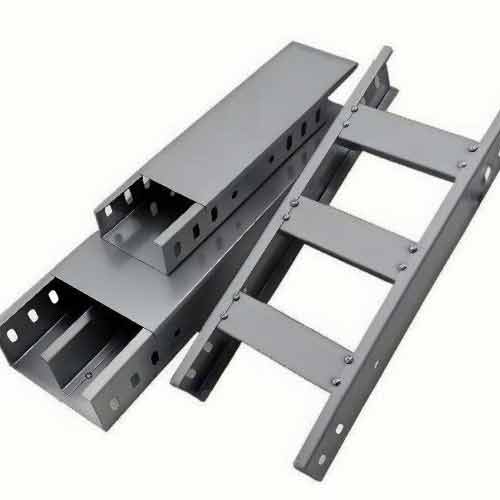
Cable tray systems represent essential infrastructure components that support, protect, and manage electrical and data cables in commercial, industrial, and institutional buildings, providing organized pathways that facilitate installation, maintenance, and modification of cable infrastructure. These structural systems consist of prefabricated sections with solid or perforated bases and open sides that enable cable installation, heat dissipation, and future access without the extensive cutting and modification required by conduit systems. Cable tray installations support diverse cable types including power conductors, control wiring, telecommunications cables, and fiber optic conduits that serve essential building functions. The engineering of cable tray systems requires consideration of cable fill capacity, support spans, loading requirements, and electrical code compliance that ensure safe, efficient cable management throughout building service lives.
Types and configurations of cable tray systems address diverse application requirements related to cable capacity, environmental conditions, and aesthetic considerations that influence material and design selection. Ladder-type cable trays feature side rails with rungs providing cable support, offering excellent ventilation and ease of cable installation for high-cable-count applications. Solid-bottom trays provide complete cable protection for applications whereEMI/RFI shielding or complete dust protection is required. Wire mesh or basket trays offer lightweight solutions for low-cable-count applications where easy access and maximum ventilation are priorities. Channel-type trays provide compact solutions for small cable counts or routing in tight spaces. Material options include galvanized steel for general applications, stainless steel for corrosive environments, and aluminum for reduced weight in applications where corrosion resistance and lightweight construction are beneficial.
Design considerations for cable tray installations must address electrical capacity, structural support, and code compliance that ensure safe, effective cable management throughout building operational lifecycles. Cable fill calculations following NEC or local code requirements determine appropriate tray width and depth based on cable diameters, bundle configurations, and derating factors that affect current-carrying capacity. Support span calculations based on tray weight, cable loading, and applicable loading standards determine appropriate support spacing and bracket configurations. Grounding requirements ensure electrical continuity throughout the tray system, providing fault current paths that protect personnel and equipment. Separation requirements for power and communication cables prevent electromagnetic interference that could affect signal quality in sensitive systems. Fire stopping at tray penetrations through fire-rated assemblies maintains fire barrier integrity while allowing cable passage.
Installation, maintenance, and planning considerations for cable tray systems influence their effectiveness and lifecycle value in supporting building cable infrastructure. Proper support installation with appropriate hardware and anchor systems ensures adequate load capacity while accommodating thermal expansion and vibration that might affect long-term performance. Splice and fitting installation following manufacturer specifications maintains structural integrity and electrical continuity throughout the tray run. Cable installation practices including proper cable placement, secure fastening, and appropriate bend radii protect cable integrity while maintaining organized appearance. Access for future additions should be considered during initial installation, with adequate space reserved for cable expansion without requiring tray modification. Regular inspection identifies damaged sections, loose connections, or cable conditions that might compromise safety or performance. Documentation of tray specifications, cable schedules, and as-built configurations supports ongoing maintenance and future modification activities that optimize building cable infrastructure performance.
Previous article:Worker Protection in Elevated Installations via Cable Ladder Safety System
Next article:Cable Basket: Rust-Resistant for Long-Term Cable Management
Hot products
Mobile: +86 15369215227
Email:metalproducts2022@163.com
Email:1626757181@qq.com