Product details description
In modern data centers, where high-density server racks and rapid
technological evolution are the norm, cable management is not just about
organization—it's critical for thermal management and system reliability. Cable
ladder tray systems, as opposed to solid-bottom cable trays, play a pivotal role
in supporting massive quantities of network and power cables while actively
mitigating heat buildup.
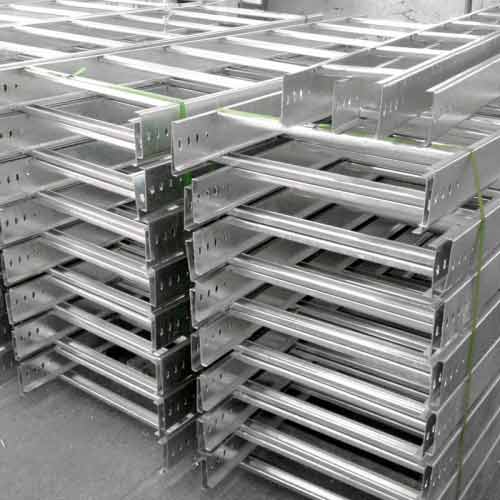
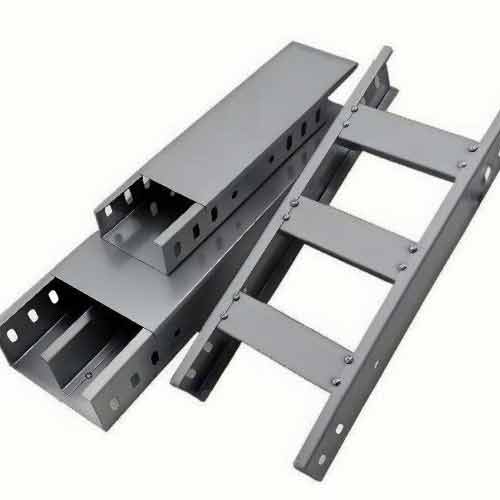
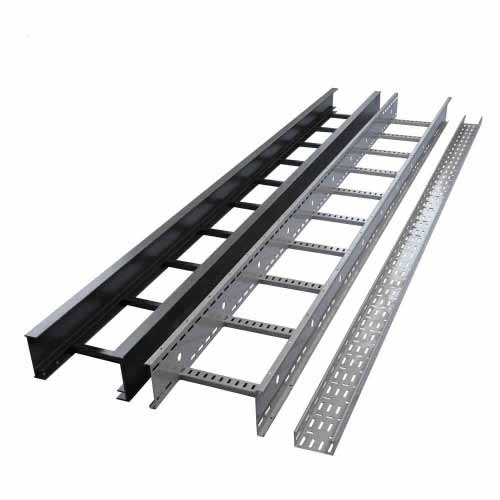
Cable ladders are essentially a skeletal framework of side rails connected
by rungs. This open design is their key advantage. It allows for maximum airflow
around the cables. In a data center, cables themselves generate heat, especially
power cables carrying high currents. Bundling them tightly in a solid conduit or
tray creates a thermal insulator that traps heat. A cable ladder's open
structure permits hot air from the cables to rise and dissipate into the
environment, where it can be captured by the cooling system (CRAC/CRAH units).
This prevents localized hot spots along cable runs that could degrade cable
performance and lifespan.
The ladder design provides exceptional strength and accessibility. The rung
structure supports heavy cable loads over long spans without sagging, which is
essential for the thick, heavy cables used in data centers. The open top and
sides make it incredibly easy to add, remove, or reroute cables at any point
without disassembling the tray. This flexibility is crucial for maintenance,
upgrades, and troubleshooting in a dynamic environment where cabling
configurations change frequently.
Organization and segregation are easily achieved on cable ladders. Using
horizontal separators or different ladder runs, data (Ethernet, fiber) and power
cables can be kept apart. This not only improves safety and complies with
electrical codes but also reduces electromagnetic interference (EMI) that can
affect data signal integrity. The visibility offered by the open design
simplifies audits and identification of specific cables.
Compared to solid trays, cable ladders offer a lower material and weight
cost and are easier to install and modify. Their role is integral to a data
center's thermal management strategy. By ensuring cables are supported in an
organized, accessible, and ventilated manner, cable ladders contribute directly
to reducing cooling costs, improving energy efficiency, and maintaining the
optimal operating environment for both the cabling and the critical IT equipment
it serves.
Previous article:
Organized Cable Management with Cable Ladder Tray
Next article:
Cable Ladder Load Capacity Testing: Structural Engineering and Safety Factor Calculations