Large-Span Industrial Wiring Cable Ladder for High-Rise Building Wiring
Release time:2026-03-01 Click:10
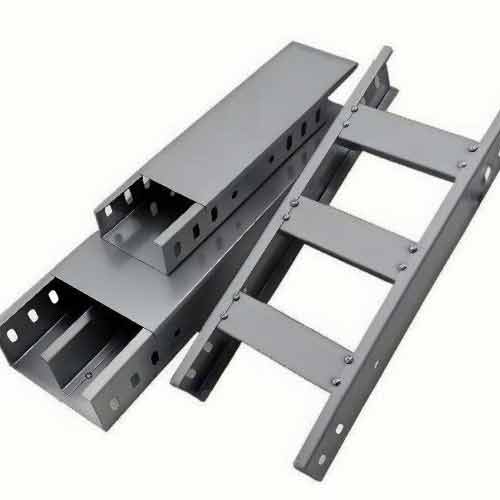
The electrical infrastructure of modern high-rise buildings demands routing solutions capable of supporting substantial cable loads across significant vertical distances while maintaining accessibility for maintenance and future modifications. Large-span industrial wiring cable ladder systems provide the robust support and generous cable capacity required for these demanding applications, enabling electrical contractors to install and manage the complex network of power, lighting, communication, and fire alarm cables that serve multi-story structures. Understanding the design considerations and specification requirements for cable ladder systems enables proper selection and installation of these critical building infrastructure components.
The large-span capability of industrial cable ladder refers to the ability to traverse extended horizontal distances between support points without intermediate support structures. This characteristic is particularly valuable in high-rise building applications where mechanical floors, service cores, or architectural features may limit support point availability. Cable ladder designs that can span fifteen feet or more between supports reduce the number of required support brackets and associated installation labor while providing continuous cable pathway across building zones. The span capability must be verified through engineering calculations that consider cable load, ladder gauge, and applicable safety factors.
Structural load capacity represents a fundamental requirement for cable ladder specification in high-rise building applications. The ladder must support not only the weight of installed cables but also the additional loads imposed by maintenance personnel who may need to access the pathway for cable pulls or reconfiguration activities. Dynamic loads from cable installation operations, including the concentrated forces applied during cable pulling, must be considered in structural calculations. Safety factors required by applicable codes and standards typically range from 1.5 to 2.5, ensuring adequate capacity for unexpected load conditions.
Cable ladder construction materials must be selected to meet the environmental conditions present in high-rise building installations. Steel ladder with hot-dip galvanization provides excellent strength and corrosion resistance for most applications, while stainless steel may be specified for corrosive environments or aesthetic requirements. Aluminum ladder offers a weight advantage that simplifies handling and reduces structural support requirements, though with somewhat reduced load capacity compared to steel. The selection should consider temperature extremes, humidity levels, and any chemical exposures that may affect material performance over the building's service life.
Cable capacity and organization features significantly influence the practicality of cable ladder systems for high-rise building applications. The ladder width must accommodate the anticipated cable bundle dimensions while providing space for future cable additions that typically occur throughout a building's operational life. Cable tray dividers or internal accessories enable separation of different cable types, maintaining compliance with electrical code requirements for cable separation based on voltage rating and function. The ladder rung spacing affects cable bending radius compliance, with closer spacing required for fiber optic and other cables with minimum bend radius limitations.
Installation practices for large-span cable ladder in high-rise buildings must address the unique challenges of vertical building construction. Support anchoring must be verified for adequate pullout strength in the concrete or structural steel substrates encountered in high-rise construction. Expansion joint provisions accommodate the thermal movement that occurs across the building height as temperature conditions vary between floors. Seismic bracing requirements depend on the building location and applicable code provisions, with additional restraint needed in regions with significant earthquake risk. Coordination with other building systems including mechanical ducts, plumbing pipes, and structural elements must ensure adequate clearance and support access.
Fire performance requirements for cable ladder systems in high-rise buildings address the enhanced life safety concerns associated with tall structures. Fire-rated cable ladder assemblies may be required for vertical risers that penetrate floor assemblies, maintaining circuit integrity during fire conditions to support emergency systems including fire alarm, emergency lighting, and elevator operation. The selection of fire-rated components and installation methods must comply with applicable building codes and fire protection standards, with documentation provided to demonstrate compliance with required fire resistance ratings.
Previous article:The Efficiency of Cable Management Ladder Rack
Next article:Optimizing Infrastructure with Perforated Cable Tray
Hot products
Mobile: +86 15369215227
Email:metalproducts2022@163.com
Email:1626757181@qq.com