Superior Corrosion Protection in Cable Management Systems Using Hot Dip Galvanized Cable Ladder Solutions
Release time:2026-02-25 Click:9
Hot dip galvanized cable ladder systems provide robust infrastructure support for electrical and communication cabling in industrial, commercial, and infrastructure applications where corrosion resistance and long service life are essential requirements. The hot dip galvanizing process involves immersing fabricated steel ladder components in molten zinc at temperatures around four hundred fifty degrees Celsius, creating a metallurgical bond between the zinc coating and the steel substrate that provides protection far superior to paint or electroplated coatings. This zinc-iron alloy layer, typically measuring eighty to one hundred microns thick on commercial-grade products, sacrificially corrodes to protect the underlying steel at any point where the coating is damaged or breached, providing a self-healing characteristic that paint systems cannot match. The resulting cable ladder system maintains structural integrity and load-bearing capacity for decades in harsh environments including coastal installations, chemical processing facilities, and outdoor substations.
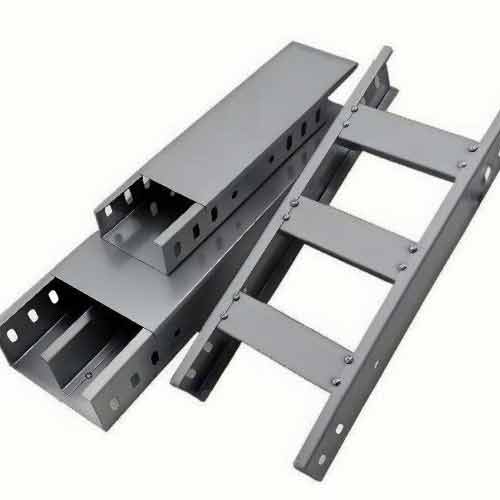
The mechanical design of hot dip galvanized cable ladder systems addresses both structural requirements and practical installation considerations. Standard ladder profiles feature side rails of channel or angle section connected by rung members spaced at regular intervals, creating an open structure that permits cable installation from above and facilitates heat dissipation from power cables. Load ratings typically range from light-duty systems suitable for communication and control cabling to heavy-duty configurations capable of supporting large power cables in industrial plants. The modular construction of cable ladder systems enables rapid installation using bolted or snap-fit connections, with standard fitting components including horizontal and vertical elbows, tees, reducers, and junction boxes that allow cable routes to navigate obstacles and change elevation as required. Surface preparation requirements for field modifications, including cutting and re-galvanizing exposed steel edges, must be addressed to maintain corrosion protection integrity throughout the installation.
The economic considerations of hot dip galvanized cable ladder selection extend beyond initial material costs to encompass lifecycle cost analysis that accounts for maintenance requirements, service life, and replacement expenses. While the upfront cost of hot dip galvanized systems exceeds that of painted steel alternatives, the extended service life and reduced maintenance requirements often result in lower total ownership costs over the typical fifty-year service life of commercial buildings and infrastructure. Zinc coating performance in various environments has been extensively documented through industry studies and long-term exposure testing, enabling engineers to accurately predict maintenance intervals and coating life expectancy for specific application conditions. The recyclability of both steel and zinc at end of service life further enhances the sustainability credentials of hot dip galvanized cable ladder systems, aligning with green building certification requirements and corporate sustainability initiatives.
Previous article:A Comprehensive Cable Ladder Installation Guide
Next article:Supporting Cable Management with Sturdy cable tray support
Hot products
Mobile: +86 15369215227
Email:metalproducts2022@163.com
Email:1626757181@qq.com