Trough-Type Cable Ladder Installation Guide for Industrial Applications
Release time:2026-02-19 Click:11
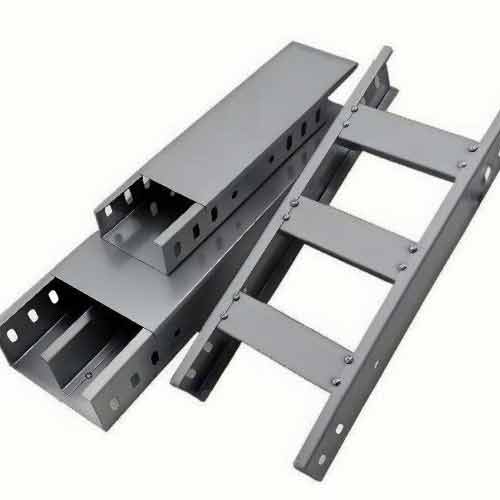
A trough-type cable ladder is a robust, open-frame cable management system designed to support and protect large volumes of power cables, control cables, and instrumentation cables in industrial plants, power stations, and large facilities. Characterized by its U-shaped channel or "trough" design with regular rungs, it provides superior cable ventilation, easier access for installation and maintenance, and higher load-bearing capacity compared to solid-bottom trays. Proper installation is critical to ensure system safety, reliability, and compliance with electrical codes such as the NEC (National Electrical Code) and IEC (International Electrotechnical Commission) standards.
Phase 1: Planning & Preparation
Before installation, a detailed plan is essential. Review engineering drawings to determine the cable ladder route, support spacing, and clearances from pipes, ducts, and other services. Calculate the total cable weight to select the correct ladder width, side rail height, material (typically galvanized steel, aluminum, or stainless steel), and rung spacing. Ensure all components—straight sections, bends, tees, reducers, and support accessories—are on site. Gather necessary tools: measuring tape, level, drills, wrenches, cutting tools (hacksaw or band saw for metal), and personal protective equipment (PPE). Verify that structural supports (walls, columns, ceiling steel) are capable of bearing the added load.
Phase 2: Installing Supports & Setting Elevation
The foundation of a secure installation is a properly spaced and aligned support system. Install support brackets (cantilever arms, trapeze hangers, or wall brackets) as per the design plan, typically at intervals of 1.5 to 3 meters for steel ladders, depending on the load. Use a laser level or string line to ensure all supports are perfectly aligned horizontally and at the correct elevation. Anchor supports securely to the building structure using appropriate fasteners (chemical anchors, through-bolts). This step ensures the ladder will be level and prevents sagging once loaded.
Phase 3: Assembling & Installing the Ladder
Begin at one end of the run. Lift the first straight ladder section onto the supports. Use connecting plates and bolts to join subsequent sections, ensuring joints are tight and rungs are aligned. For turns, use pre-fabricated horizontal or vertical bends. Maintain the required expansion gaps (as per manufacturer's specs) between sections in long runs to accommodate thermal expansion. Secure the ladder to each support using bolts or clamping devices. For risers (vertical runs), ensure adequate bracing is in place. Continuously check for level and alignment during assembly.
Phase 4: Cable Installation & Safety Practices
Once the ladder is fully installed and secured, begin pulling cables. Never stand on the cable ladder itself. Use a separate scaffold or ladder. Follow best practices: install cables from the bottom rung upwards, avoid overfilling (generally do not exceed 50% of the ladder's fill area for power cables), and maintain segregation between different cable types (e.g., power and control) using partitions within the ladder or separate ladder runs. Use cable ties or cleats to secure cables to rungs at regular intervals to prevent movement and stress. Ensure proper bending radii are maintained for cables at entry/exit points.
Phase 5: Inspection & Grounding
After cable installation, conduct a thorough inspection. Verify all ladder sections are securely fastened, supports are tight, and there are no sharp edges that could damage cables. Most importantly, ensure the entire cable ladder system is properly bonded and grounded according to local electrical codes to provide a path for fault currents and ensure personnel safety. Install grounding jumpers across expansion joints and between non-continuous sections. Finally, label cable routes and circuits clearly for future maintenance. A properly installed trough-type cable ladder system ensures organized, safe, and efficient cable distribution for decades of industrial service.
Previous article:Efficient Cable Routing with Cable Ladder Elbow Fittings
Next article:Fire Retardant Solid-Bottom Cable Ladder for Safety Critical Installations
Hot products
Mobile: +86 15369215227
Email:metalproducts2022@163.com
Email:1626757181@qq.com