Efficient Cable Routing with Cable Ladder Elbow Fittings
Release time:2026-02-18 Click:14
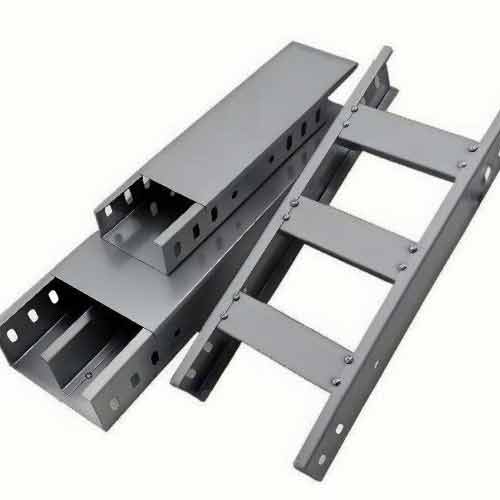
In the infrastructure of modern buildings and industrial plants, cable management is a critical aspect of electrical and data systems. The cable ladder elbow is a specialized fitting used to change the direction of cable trays or ladders, allowing for neat and organized routing around obstacles like beams, columns, or machinery. Unlike simple bends, elbows are engineered to maintain the structural integrity of the ladder system while providing a smooth transition for cables. They are typically made from galvanized steel, stainless steel, or aluminum, matching the material of the ladder to prevent galvanic corrosion. The most common angles are 45 degrees and 90 degrees, but custom radii are available for specific architectural or engineering requirements.
The design of a cable ladder elbow focuses on cable protection and ease of installation. The interior radius of the elbow is generous to prevent cables from being pinched or exceeding their minimum bend radius, which could damage fiber optics or high-voltage lines. The side rails of the ladder continue through the elbow, often with punched holes for bolting to adjacent sections or support structures. Some elbows feature a "cover" or "lid" that snaps into place to enclose the cables, protecting them from dust, falling debris, or accidental contact. For outdoor applications, rain-tight elbows are used to prevent water accumulation inside the tray, which could lead to short circuits or corrosion of the cables.
Installation of a cable ladder elbow requires careful planning of the cable run. The elbow should be placed at a point where cables naturally change direction, such as at the top of a vertical rise or around a corner. It is crucial to ensure that the elbow is properly supported; a heavy concentration of cables can weigh down the fitting, causing it to sag or pull away from the mounting surface. Brackets or hangers are used to secure the elbow to the structure, and expansion joints may be needed in long runs to accommodate thermal movement. Electricians often use "cable cleats" or ties within the elbow to organize bundles of cables, preventing them from tangling and ensuring heat dissipation. The bending radius must be calculated based on the thickest cable in the bundle to avoid stressing the insulation.
Maintenance of a cable ladder elbow involves periodic inspection for physical damage or corrosion. In industrial environments with high vibration, bolts connecting the elbow to the ladder can loosen over time, requiring retightening. If the elbow is made of painted steel, chips in the coating should be touched up to prevent rust. For stainless steel elbows in coastal areas, regular washing with fresh water removes salt deposits that could cause pitting. The interior of the elbow should be checked for sharp edges or burrs that might have developed during fabrication or installation; these can abrade cable jackets during maintenance pulls. In data centers, where airflow is critical, elbows are designed with perforated sides to allow cooling air to circulate around the cables, preventing hot spots.
Finally, the strategic use of cable ladder elbow fittings enhances the overall reliability of an electrical system. By providing a standardized method for changing direction, they reduce the need for on-site fabrication, which can be imprecise and time-consuming. This modularity allows for future modifications; if the cable route needs to change, an elbow can be unbolted and replaced without dismantling the entire ladder system. For engineers, the ability to route cables efficiently means less signal interference and easier troubleshooting. In hazardous locations, explosion-proof elbows made of brass or stainless steel are used to contain sparks. Whether in a skyscraper or a chemical plant, the cable ladder elbow is a small but vital component that keeps the "nervous system" of a building functioning smoothly and safely.
Previous article:Organize Cables Neatly with Kabel Tray
Next article:Trough-Type Cable Ladder Installation Guide for Industrial Applications
Hot products
Mobile: +86 15369215227
Email:metalproducts2022@163.com
Email:1626757181@qq.com