The Role of Fiberglass Cable Tray in Electrical Infrastructure
Release time:2026-02-13 Click:7
A fiberglass cable tray, a rigid support system made from woven fiberglass and resin, provides a lightweight, corrosion-resistant pathway for electrical cables in industrial and commercial settings. Unlike metal trays, its non-conductive nature eliminates the risk of electrical shorts, while its resistance to chemicals and UV rays ensures longevity in harsh environments. From power plants to data centers, this tray safeguards cables while simplifying installation and maintenance.
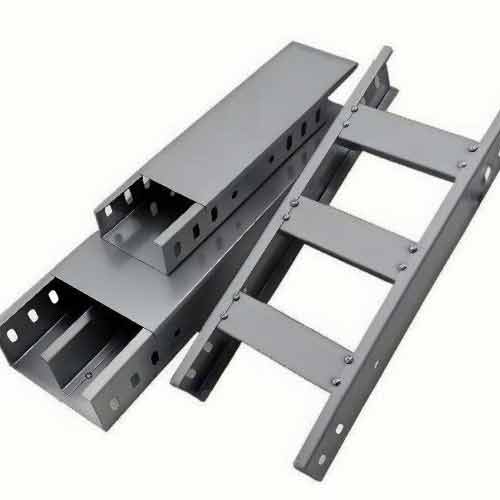
The construction of a fiberglass cable tray involves pultrusion—pulling fiberglass rovings through a resin bath and heated die—to create a strong, rigid profile. It comes in ladder, solid-bottom, or perforated designs, with widths from 6 to 36 inches and lengths up to 20 feet. Additives like antimony trioxide enhance fire retardancy, meeting strict safety standards (UL 94 V-0). Surface finishes include gel coats for UV protection or gritted tops for slip resistance.
Applications of fiberglass cable trays are critical to electrical safety. Power generation facilities use them to route high-voltage cables, while chemical plants deploy them in corrosive atmospheres. Data centers rely on them to organize fiber optic and Ethernet cables, reducing electromagnetic interference. Marine vessels install them below deck to avoid rust, and solar farms use them to support inverter cables. Even tunnels and bridges employ them for outdoor cable routing.
Advantages of fiberglass cable trays include their durability and safety. They weigh 75% less than steel trays, easing installation and reducing structural load. Non-conductivity prevents accidental grounding, and corrosion resistance eliminates rust-related failures. Fire-retardant variants slow flame spread, and their open design allows for easy cable access and airflow (preventing overheating).
Maintenance of fiberglass cable trays focuses on inspection and cleaning. Check for cracks or delamination (separation of layers), especially in high-traffic areas. Clean with mild detergent to remove dust or chemical residue. For outdoor trays, inspect UV-protective coatings annually and touch up if faded. Ensure supports remain secure, as loose trays can sag and damage cables.
In summary, fiberglass cable trays are the unsung guardians of electrical systems, combining strength with safety. Their adaptability to harsh environments makes them indispensable in modern infrastructure.
Previous article:Enhance Cable Organization with a Wire Mesh Cable Ladder System
Next article:Installation Tips for Fiberglass Cable Ladder Systems
Hot products
Mobile: +86 15369215227
Email:metalproducts2022@163.com
Email:1626757181@qq.com