Streamlining Cable Management with Perforated Cable Basket
Release time:2026-02-11 Click:7
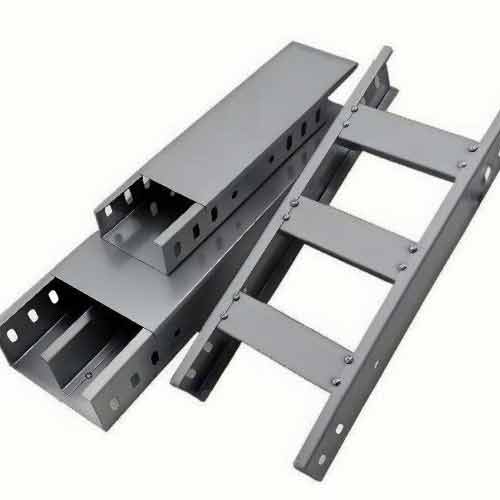
In data centers, industrial plants, and commercial buildings, the organization of power and communication cables is critical for safety and maintenance. The cable basket (often called a cable tray) provides a structural support system for running cables between equipment. Unlike conduit, which encases cables in a closed tube, the cable basket is an open-bottom trough with side rails, allowing for easy access to the cables. This open design facilitates heat dissipation, which is vital for high-voltage power cables that generate significant heat during operation.
The construction of a cable basket typically involves galvanized steel, stainless steel, or aluminum, depending on the environment. Hot-dip galvanized steel is the standard for indoor and outdoor general use, offering excellent corrosion protection at a reasonable cost. For aggressive environments like chemical plants or offshore oil rigs, stainless steel cable basket systems are mandatory to prevent rust and contamination. The baskets come in various widths and depths to accommodate different cable loads, and they can be equipped with dividers to separate high-voltage power lines from low-voltage data cables, preventing electromagnetic interference.
Installation of a cable basket system is modular and flexible. The baskets are mounted to the ceiling, wall, or floor using brackets and hangers. Because the cable basket is lightweight compared to concrete trenches, it can be installed quickly without heavy machinery. The perforated or wire-mesh bottom allows cables to be tied down securely using cable ties or velcro straps. This prevents cables from sagging or being pulled out of connectors. Furthermore, the open structure makes it easy to identify and replace a damaged cable without dismantling the entire tray system, significantly reducing downtime during repairs.
One of the key advantages of the cable basket is its adaptability to changing infrastructure needs. In a modern office building, where technology layouts change frequently, the cable basket allows for easy re-routing of wires. Additional cables can be added to the tray simply by dropping them in, rather than pulling them through closed pipes. This scalability is essential for future-proofing buildings. The cable basket also serves as a grounding path for the cables, enhancing electrical safety when properly bonded to the building's ground system.
Looking forward, the cable basket is evolving to meet the demands of smart buildings. Integrated LED lighting can be mounted inside the basket to illuminate work areas. Sensor clips can be attached to monitor cable temperature or detect physical damage. The aesthetic appeal of the cable basket has also improved, with powder-coated finishes in architectural colors allowing it to be exposed in high-end retail spaces rather than hidden in false ceilings. The cable basket remains the backbone of electrical infrastructure, combining rugged utility with the flexibility required for modern connectivity.
Previous article:Future-Proof Your Network with a Scalable Data Center Cable Ladder
Next article:Enhance Cable Organization with a Wire Mesh Cable Ladder System
Hot products
Mobile: +86 15369215227
Email:metalproducts2022@163.com
Email:1626757181@qq.com