Product details description
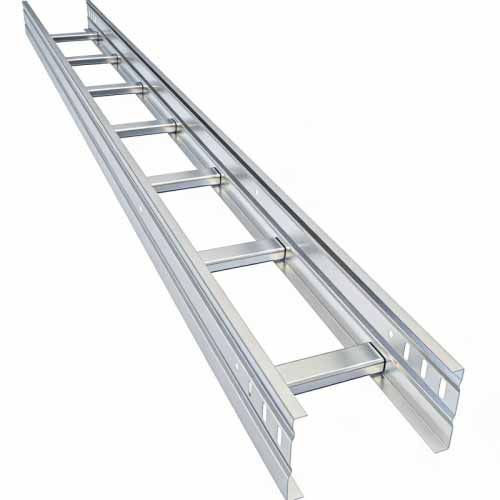
Cable ladders are the backbone of structured cabling in factories, data
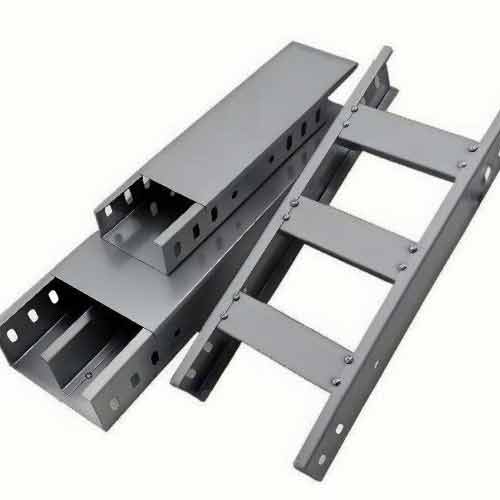
centers, and commercial buildings. Unlike cable trays (solid bottom), ladders
have rungs, offering superior ventilation and flexibility.
Ladder vs. Tray vs. Wire Mesh
Ladder: Best for heavy power cables and long spans. The open design allows
heat to dissipate, preventing cables from overheating. It's also easy to tap
into for new cable runs.
Tray: Solid bottom. Protects cables from falling debris and oil drips. Used
in manufacturing plants.
Wire Mesh: Light duty. Used for data cabling (Cat6/Fiber) in offices.
Material Selection
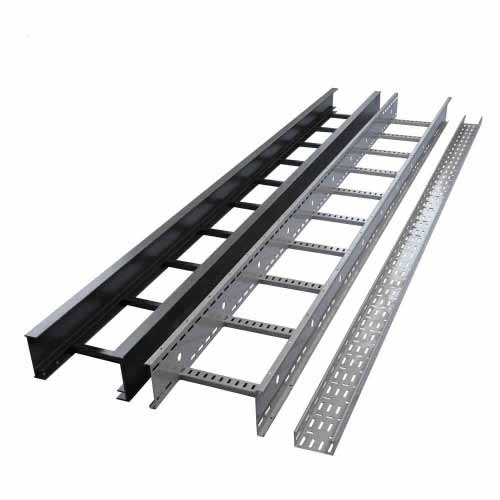
Hot-Dip Galvanized Steel: The industry standard. Provides 50+ years of
corrosion protection in most indoor environments.
Stainless Steel (316): Mandatory in food processing plants, offshore oil
rigs, or swimming pool areas where chlorine corrosion is a risk.
Aluminum: Used in clean rooms or coastal areas where weight is a concern
(aluminum is 1/3 the weight of steel), but it has lower load-bearing
capacity.
Load Classes (NEMA VE-1 Standard)
Light Duty: For data/control cables only.
Medium Duty: For power cables and heavy instrumentation.
Heavy Duty: For thick feeder cables and bundled heavy wires.
Extra Heavy Duty: Often uses 6mm wire diameter instead of 4mm.
Accessories
You cannot install a ladder without Splice Plates (to join two lengths) and
Hold Down Clamps (to prevent the ladder from lifting off the support due to
cable weight or seismic activity).
Previous article:
Cable Ladder Bends & Tees - Flexible Routing Solutions
Next article:
Cable Ladder Materials Guide: Steel, Aluminum, and FRP Options for Corrosive Environments