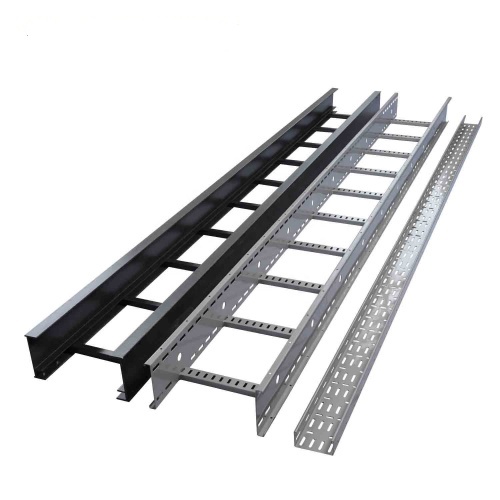
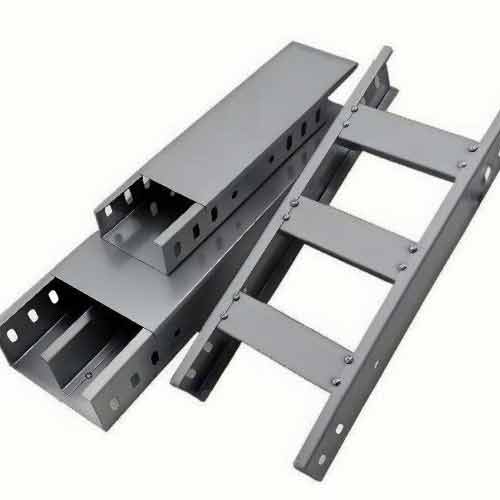
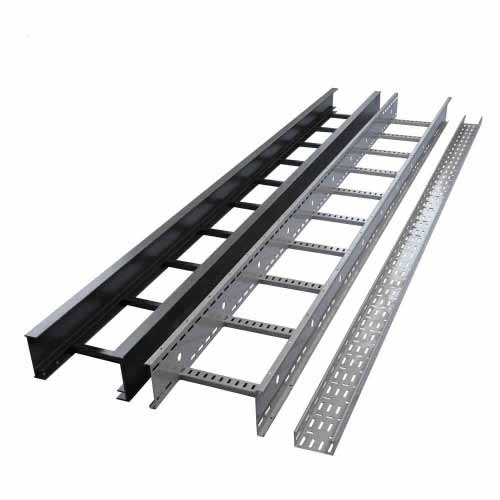
Product details description
Cable ladder maintenance protocols are essential for ensuring safe,
organized, and efficient cable routing in industrial, commercial, and data
center environments. These protocols encompass regular inspection schedules and
the upkeep of cable management systems to prevent overload, structural failure,
and service interruptions. Proper maintenance mitigates risks of electrical
hazards and prolongs the life of both the ladder and the cabling
infrastructure.
Inspection schedules should be based on environmental and operational
factors. In high-dust or corrosive atmospheres, monthly visual inspections are
recommended to detect rust, bent rungs, or damaged supports. In cleaner,
climate-controlled spaces, quarterly inspections may suffice. Inspections assess
ladder alignment, bolt torque, and load distribution, ensuring no section is
overstressed. Load tests may be conducted annually to verify structural
integrity under maximum design loads.
Cable management system maintenance involves checking for overcrowding,
abrasion, and improper securing of cables. Overloaded trays can sag or cause
premature cable wear; technicians must redistribute cables or add supports as
needed. Identification labels should be updated, and unused cables removed to
reduce heat buildup and improve airflow. Firestop seals at penetrations must be
inspected and restored to maintain fire resistance ratings.
Documentation and corrective actions form a critical part of the protocol.
Each inspection should generate a report noting deficiencies and remedial steps
taken. Trends in wear patterns can inform future maintenance frequency and
highlight the need for design modifications. Training maintenance staff to
recognize early signs of failure ensures swift intervention before minor issues
escalate.
Implementing robust cable ladder maintenance protocols enhances system
reliability and workplace safety. By integrating routine inspections with
proactive cable management, facilities avoid costly downtime and ensure that
critical power, data, and communication lines remain protected and
well-organized.
Previous article:
400mm width cable ladder tray weight, Hot Sale 400mm Cable Trays
Next article:
The Flexibility and Modularity of Cable Ladder Designs