Organized Cabling with Cable Tray
Release time:2026-01-08 Click:28
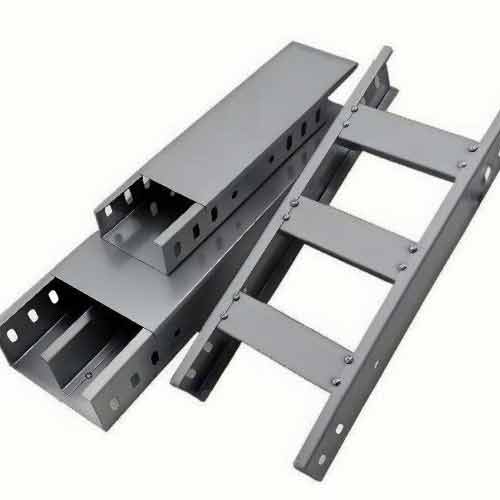
A cable tray is a structural support system used to route and manage electrical wires and cables in industrial, commercial, and institutional buildings. Unlike conduit, which encases cables in a closed pipe, a cable tray is an open structure—usually made of metal wire mesh, solid metal, or fiberglass—that allows cables to be laid in place and easily accessed for maintenance. This open design facilitates heat dissipation, preventing cables from overheating, which is a common cause of electrical failures in high-density installations.
The versatility of cable trays allows them to be configured in various shapes, including ladder, solid bottom, trough, or wire mesh, depending on the cable load and environmental conditions. Ladder trays are ideal for heavy power cables requiring maximum airflow, while solid bottom trays are used for smaller control cables to prevent them from falling through. In corrosive environments like chemical plants or wastewater treatment facilities, non-metallic trays made of PVC or fiberglass are preferred to avoid rust and electrical conductivity issues.
Installation of cable trays involves mounting brackets to walls, ceilings, or structural beams, creating a continuous pathway for cables across a facility. This organization reduces the risk of tripping hazards and physical damage to wires compared to loose cables lying on the floor. Furthermore, cable trays improve the aesthetic of a workspace by eliminating cable clutter. They are essential in data centers, manufacturing plants, and high-rise buildings where thousands of cables need to be managed efficiently. The ability to add or remove cables without dismantling the tray system makes it a flexible and future-proof solution for evolving electrical infrastructure.
Previous article:Clean-Line Perforated Cable Tray for Seamless Cable Management
Next article:Trough-Type Cable Ladder vs. Wire Mesh Tray: A Comparative Analysis
Hot products
Mobile: +86 15369215227
Email:metalproducts2022@163.com
Email:1626757181@qq.com