Hot-Dip Galvanized Cable Ladder for Harsh Environments
Release time:2026-03-03 Click:11
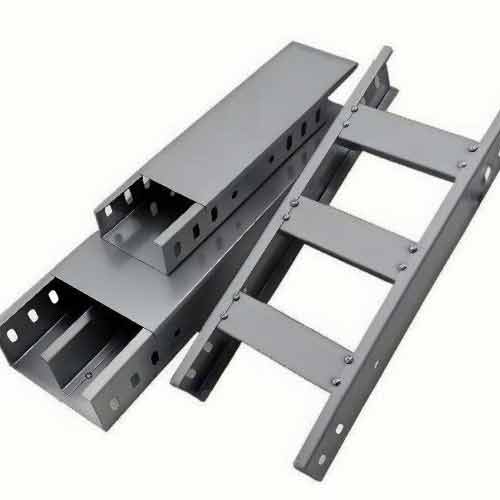
Hot-dip galvanized cable ladder systems provide superior corrosion protection and structural integrity for electrical installations in demanding industrial environments, where exposure to harsh chemicals, extreme temperatures, and moisture would quickly deteriorate conventional support structures. The hot-dip galvanizing process creates a metallurgical bond between zinc and steel that offers both barrier protection and cathodic protection, ensuring decades of reliable service in corrosive atmospheres. These cable ladder systems are engineered to support heavy cable loads while maintaining dimensional stability and electrical continuity requirements. The combination of mechanical strength and chemical resistance makes them indispensable for offshore platforms, chemical processing plants, wastewater treatment facilities, and marine installations.
The hot-dip galvanizing process involves cleaning steel components through pickling and fluxing, then immersing them in molten zinc at temperatures around 450°C (842°F). This creates a series of metallurgical layers including an iron-zinc alloy layer closest to the steel, followed by zinc-iron layers, and a pure zinc outer layer. The coating thickness typically ranges from 85 to 140 micrometers, depending on the steel thickness and application requirements. Cable ladder designs must accommodate the coating process, ensuring that bolt holes, adjustment mechanisms, and connection points maintain their functionality after galvanizing. The resulting coating provides excellent adhesion and wear resistance while maintaining the electrical conductivity required for grounding systems.
Cable ladder configurations for harsh environments require specialized designs to accommodate unique installation challenges and load requirements. Standard ladder designs feature side rails with rungs spaced at regular intervals, but harsh environment versions may include reinforced side rails, closer rung spacing, or integrated cable management features. Mounting systems must account for thermal expansion and contraction, with expansion joints and flexible connectors allowing for movement without compromising electrical continuity. Installation hardware typically includes stainless steel bolts and washers to prevent galvanic corrosion between dissimilar metals. Some applications require additional protective measures such as epoxy coating over galvanizing for maximum corrosion protection in extremely aggressive environments.
The long-term performance and cost-effectiveness of hot-dip galvanized cable ladder systems make them the preferred choice for applications where replacement costs would be prohibitive. Galvanized steel can maintain its protective properties for 50-100 years in most atmospheric environments, with service life extending significantly in controlled indoor applications. The coating's self-healing properties provide protection at cut edges and minor damage sites, preventing rust formation that would require immediate repair in uncoated steel. Maintenance requirements are minimal, typically involving periodic inspection for mechanical damage and cleaning of accumulated debris. When replacement eventually becomes necessary, the galvanized steel is fully recyclable, contributing to sustainable construction practices. The initial investment in hot-dip galvanized cable ladder systems is typically offset by reduced maintenance costs, extended service life, and elimination of emergency repairs associated with premature coating failure.
Previous article:Optimizing Infrastructure with Perforated Cable Tray
Next article:Worker Protection in Elevated Installations via Cable Ladder Safety System
Hot products
Mobile: +86 15369215227
Email:metalproducts2022@163.com
Email:1626757181@qq.com