The Benefits of Hot Dip Galvanized Cable Ladder Systems for Outdoor Use
Release time:2026-02-08 Click:6
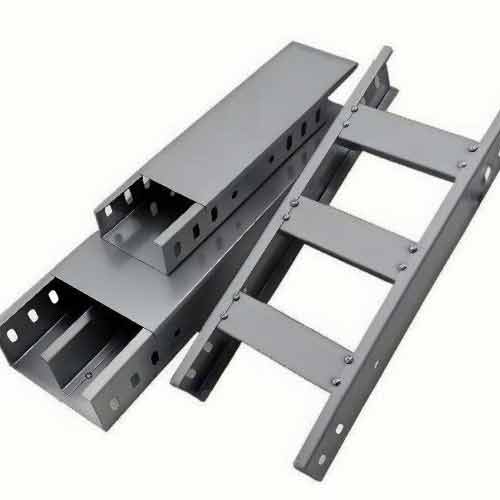
In the realm of industrial infrastructure and electrical management, the choice of cabling support systems is critical for long-term safety and reliability. Among the myriad of options available, the hot dip galvanized cable ladder stands out as a premier solution for environments exposed to harsh weather conditions, moisture, and chemical corrosion. Unlike standard painted or light-duty trays, this specific type of ladder is manufactured by immersing steel in a bath of molten zinc, creating a metallurgical bond that offers unparalleled protection. This process ensures that the cable management system can withstand decades of exposure without rusting, making it ideal for power plants, chemical refineries, and outdoor telecommunications setups.
The manufacturing process of a hot dip galvanized cable ladder involves a rigorous series of steps designed to maximize coverage and adhesion. First, the steel ladder undergoes degreasing and pickling to remove any mill scale, rust, or oil. It is then fluxed and immersed in zinc at temperatures around 450 degrees Celsius. This results in a coating that not only covers the surface but also penetrates into the microscopic recesses of the metal. For cable ladders, this is particularly important because the intricate structure—with its rungs and side rails—creates many corners where corrosion could initiate. The galvanization process ensures that even these hard-to-reach areas are protected, providing a cathodic protection mechanism that seals scratches and prevents rust from spreading.
From a structural perspective, the hot dip galvanized cable ladder offers superior load-bearing capabilities compared to its aluminum or stainless steel counterparts. While aluminum is lightweight, it lacks the rigidity required for heavy-duty power cables over long spans. Stainless steel offers good corrosion resistance but comes at a significantly higher cost and may not be as strong as high-tensile galvanized steel. The ladder design allows for excellent ventilation, which is crucial for dissipating heat generated by high-voltage cables. Furthermore, the zinc coating adds a degree of abrasion resistance, which is vital during installation when the ladder might be dragged across rough concrete or steel beams.
Installation and maintenance of a hot dip galvanized cable ladder are streamlined due to its robust nature. Because the coating is self-healing to a certain extent—meaning that minor scratches will still be protected by the zinc's sacrificial anode properties—maintenance costs are virtually eliminated over the lifespan of the installation. Installers do not need to apply touch-up paints or specialized coatings on-site, which saves time and labor. Additionally, the ladder system is modular, allowing for easy expansion or reconfiguration of cable routes as industrial needs change. The heavy-duty construction also supports the use of aggressive cable ties and clamps without deforming the rungs.
Finally, the environmental and economic impact of choosing a hot dip galvanized cable ladder is significant. The zinc used in the process is highly recyclable, and the longevity of the product means fewer replacements are needed over time, reducing the carbon footprint associated with manufacturing and transporting new materials. For project engineers, this translates to a lower total cost of ownership (TCO). When factoring in the avoided costs of painting, rust removal, and premature replacement, the initial higher investment in galvanized steel pays for itself. It is not just a physical support for cables; it is a long-term insurance policy for critical electrical infrastructure.
Previous article:Modular Design Ladder-Type Cable Ladder for Easy Installation
Next article:Organizing and Protecting Electrical Systems with Robust Cable Trays
Hot products
Mobile: +86 15369215227
Email:metalproducts2022@163.com
Email:1626757181@qq.com