Organizing and Protecting Cables with a Cable Ladder Safety System
Release time:2026-02-10 Click:13
In modern industrial plants, data centers, and commercial buildings, the vast networks of power, data, and control cables are the central nervous system of operations. A cable ladder safety system is the structured framework designed to support, route, and protect these vital cables. More than just a tray, it is an engineered solution that prioritizes cable integrity, fire safety, accessibility for maintenance, and compliance with stringent electrical and building codes, ensuring both operational reliability and personnel safety.
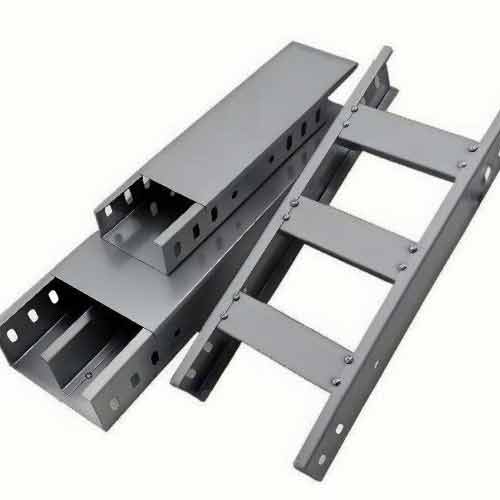
The system primarily consists of ladder-style cable tray—named for its side rails connected by individual, evenly spaced rungs. This open design provides maximum ventilation for heat dissipation from cables, reduces weight, and allows for easy visual inspection and access from above or below. The components are typically made from pre-galvanized steel, aluminum, or stainless steel, offering various levels of strength and corrosion resistance. The system is modular, allowing for straight sections, bends, tees, and risers to be bolted together to form a continuous run.
Safety is integrated at multiple levels. The system provides physical protection for cables from impact, crushing, and contamination. For fire safety, ladder tray systems can be specified with fire-rated barriers and covers to prevent the spread of flame along cable runs, a critical requirement in escape routes and between fire compartments. Proper grounding of the metal tray is essential to provide a continuous earth path, mitigating electrical fault risks. The structured routing also prevents dangerous cable drooping or trip hazards.
Installation must follow engineering design loads. The tray is supported from ceilings or walls by trapeze hangers or cantilever arms at specified intervals to prevent sagging under the weight of the cables. Cable management within the tray involves using cable ties or cleats to secure and separate different voltage classes or signal types, preventing electromagnetic interference. Adequate space must be left for future cable additions, adhering to fill capacity guidelines (typically 40-50% for new installations) to avoid overheating.
The advantages over traditional conduit or random cable laying are significant. It drastically reduces installation time for large cable bundles, simplifies changes and upgrades, and improves overall system reliability. In the event of a cable fault, technicians can quickly identify, isolate, and replace the affected cable without disturbing the entire run. This modularity and accessibility translate into lower lifetime maintenance costs and higher system uptime.
Implementing a comprehensive cable ladder safety system is a foundational aspect of professional electrical infrastructure. It transforms a potential spaghetti-like mess of wires into an organized, safe, and efficient asset. By selecting the appropriate material, load rating, and layout—and installing it according to code and manufacturer specifications—engineers and facility managers create a future-proof backbone that safely powers and connects the critical functions of any modern facility.
Previous article:Safe Climbing with a Cable Ladder Installation Guide
Next article:The Unwavering Framework for Critical Cables: Durable Cable Ladder Support
Hot products
Mobile: +86 15369215227
Email:metalproducts2022@163.com
Email:1626757181@qq.com