How Perforated Cable Tray Systems Improve Cable Management
Release time:2026-02-05 Click:12
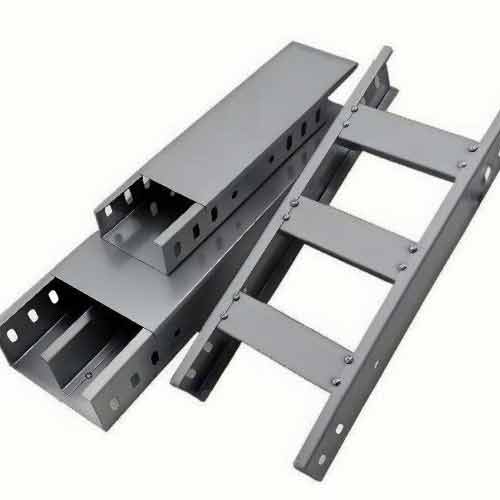
Perforated cable tray has become essential infrastructure in commercial buildings, industrial facilities, and data centers where organized cable management supports reliable operation of electrical and communication systems. Unlike solid-bottom cable tray that traps heat and prevents drainage, perforated tray provides ventilation that helps dissipate heat from power cables while allowing drainage of liquids in case of leaks or washdowns. The open design also simplifies cable installation and maintenance, allowing cables to be laid in from above rather than requiring threading through enclosed raceways. This combination of functionality and practicality has made perforated cable tray the preferred choice for many cable routing applications.
The engineering of perforated cable tray addresses specific requirements for cable support, heat dissipation, and mechanical protection in diverse installation environments. Tray depth and wire gauge determine load capacity for supporting cable weights along extended runs. Hole size and pattern affect both ventilation characteristics and cable support, with designs that provide adequate support without excessive restriction of airflow. Flange dimensions influence tray strength and handling characteristics, with deeper flanges providing greater rigidity for longer spans. These engineering considerations ensure that perforated cable tray provides appropriate support and protection for specific cable routing requirements.
Material selection for perforated cable tray impacts both initial cost and long-term performance in specific installation environments. Steel perforated cable tray provides excellent strength at competitive cost, with galvanized or painted finishes for corrosion resistance in indoor and protected outdoor applications. Aluminum perforated cable tray offers reduced weight for applications where these factors are prioritized, with good corrosion resistance for many environments. Stainless steel perforated cable tray provides superior corrosion resistance for harsh environments including chemical plants and coastal facilities. The appropriate material selection balances initial cost with durability requirements for the specific installation environment.
Installation practices for perforated cable tray significantly impact both initial cost and long-term performance of cable management systems. Proper support spacing ensures that tray deflection under cable load does not exceed acceptable limits that could stress cables or create accumulated sag. Expansion joints accommodate thermal movement that could otherwise cause buckling or damage in long runs. Proper bonding and grounding ensures electrical safety and compliance with applicable codes. Professional installation following manufacturer guidelines and applicable codes ensures that perforated cable tray systems provide reliable cable support throughout the service life of the installation.
Previous article:Power Substation Cable Ladder Professional Electrical Solutions
Next article:Safe Climbing with a Cable Ladder Installation Guide
Hot products
Mobile: +86 15369215227
Email:metalproducts2022@163.com
Email:1626757181@qq.com