Ventilation and Cable Management Using Perforated Cable Tray Systems
Release time:2026-01-20 Click:12
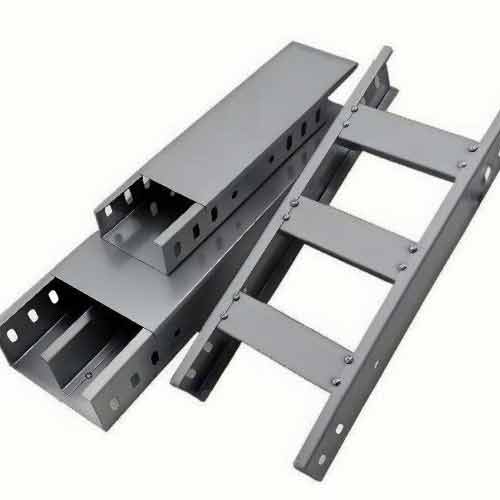
In modern electrical infrastructure, the perforated cable tray has become an industry standard for supporting and routing power and data cables. Unlike solid-bottom cable trays, the perforated design features a series of evenly spaced holes or slots in the base and sides. This open structure offers superior ventilation, allowing heat generated by bundled cables to dissipate into the surrounding air. This is critical in high-density data centers and industrial plants where cable overheating can lead to system failures or fire hazards. By allowing air to circulate freely around each cable, the ampacity (current-carrying capacity) of the wires can be maximized without derating.
The perforated cable tray also excels in drainage and weight reduction. In wet or outdoor environments, such as wastewater treatment plants or exposed outdoor runs, water and condensation can pass through the holes rather than pooling inside the tray. This prevents cables from sitting in water, which could degrade insulation over time. Furthermore, the perforated design significantly reduces the weight of the steel or aluminum tray compared to solid-bottom versions, making it easier and cheaper to transport and install. For long-span installations, the lighter weight puts less stress on the hanging supports and building structures.
Installation flexibility is a major advantage of the perforated cable tray system. Because the tray is essentially a mesh of metal, it can be easily cut to length on-site using simple tools like tin snips or grinders, without the need for specialized cutting equipment. Accessories such as bends, tees, and reducers allow the tray to navigate complex architectural layouts and obstacles. Additionally, the perforations provide convenient tie-off points for cable ties (zip ties), allowing installers to secure cables at regular intervals without the need for drilling holes in the tray or using separate cleats.
From a safety and maintenance perspective, the perforated cable tray offers excellent visibility. Maintenance technicians can easily identify which cables are power lines and which are data lines based on color or tagging, reducing the risk of accidental disconnection during repairs. The open design also makes it easy to add or remove cables from the bundle without dismantling the entire tray system. In hazardous environments, non-sparking materials like fiberglass-reinforced plastic (FRP) are used for perforated trays to prevent static discharge or accidental ignition of flammable gases, ensuring compliance with strict industrial safety standards.
Previous article:Industrial Strength Wall-Mounted Cable Ladder
Next article:Cable Basket: Heavy-Duty Support
Hot products
Mobile: +86 15369215227
Email:metalproducts2022@163.com
Email:1626757181@qq.com